
Alexa Cover | Behavior Matters! - Part 2

Author: Alexa Cover

Shift Your Approach to Setting Goals and Achieve More Success

woman running on the beach at sunset

We’ve all been there.

Spring. The weather gets warmer. The sun starts shining and that seasonal depression starts to lift. You start feeling the urge to accomplish. You set out on a mission to restart and refresh.

But then, you start to think of all that needs to get done. You think of all the tasks you so easily neglected in favor of that warm blanket on the couch you snuggled up with during those short, cold winter days. You think of the plans you have for spring and summer. The vacation you intended to plan out during winter is quickly approaching with little in motion. Those home projects you were so excited for never seemed to get past the idea stage. The kids only have a few months left before summer break and you haven’t locked in a single summer activity on the calendar.

You get overwhelmed. The anxiety overtakes your motivation. You don’t know where to start.

We’ve all been there. Those “New Year’s Resolutions” that only make it to see February. The weight-loss goal that you keep pushing off to start on Monday. That book you were so eager to start but only made it to chapter 3.

The motivation faded. The goals were abandoned.

Setting the right goals and sticking to them is hard. Factor in the countless obstacles and barriers that get thrown in the way and it’s no wonder so many never achieve what they set out to do. Motivation towards a goal is not a linear process. Approaching a goal without accounting for the dips and spikes in motivation you will experience throughout the journey can often lead to failure. Understanding the behavioral science involved in motivation is key to sticking it out.  

That’s where we come in.

With our background in behavioral science and the decades of experience working with organizations to increase their employee motivation and performance, we’ve acquired a wealth of insights. We knew we could create a product that brings the positive powers of behavioral science into an actionable guide to help people set better goals, commit to the process, and ultimately, achieve their goals.

It started with Brain/Shift a personal guided journal that goes deeper, is fueled by science, is actionable, challenging, and rewarding. A journal designed by behavioral scientists, that taps into your underlying human drives, biases, habits, and behaviors to help you reach your goals and achieve your dreams.

But we weren’t done. The positive feedback we received from those who invested in themselves with Brain/Shift inspired us to reach further. We knew we had to expand our scope to provide additional products that support those on their journey to accomplishing more.

We are excited to share that we have expanded our Brain/Shift Collection of products with the launch of the Goal/Shift Module. Designed to support you throughout the process of goal setting and attainment by providing you insights into motivation and a clearer understanding of your own goal process. Goal/Shift focuses in on keystone goals – the goals that bring your life value and align with what you truly want.  
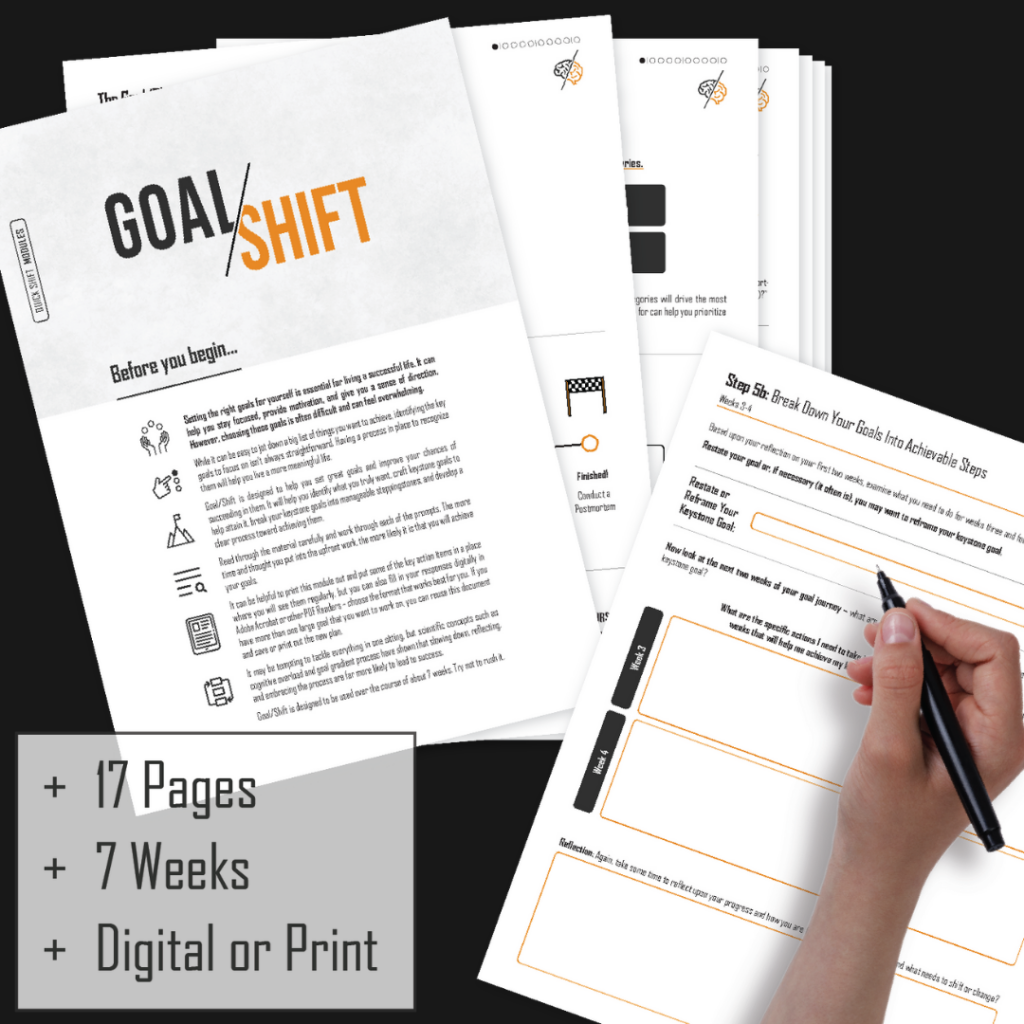
You’ll discover the reasons why your goals fell short in the past, identify the goals you truly want to achieve, refine them, and commit to them by breaking them down into actionable steps.

We’ve shifted the approach to setting goals. Our approach combines science with action. Provides insights with guidance. Merges the gap between what is known and what is done.

And with that, we have one thing left to ask…. Are you ready to shift?

Order Goal/Shift – the newest product in the Brain/Shift Collection now!

You can also shop our Brain/Shift Journal and add in a Calendar to support you throughout your shift.
Employees are Feeling the Burn

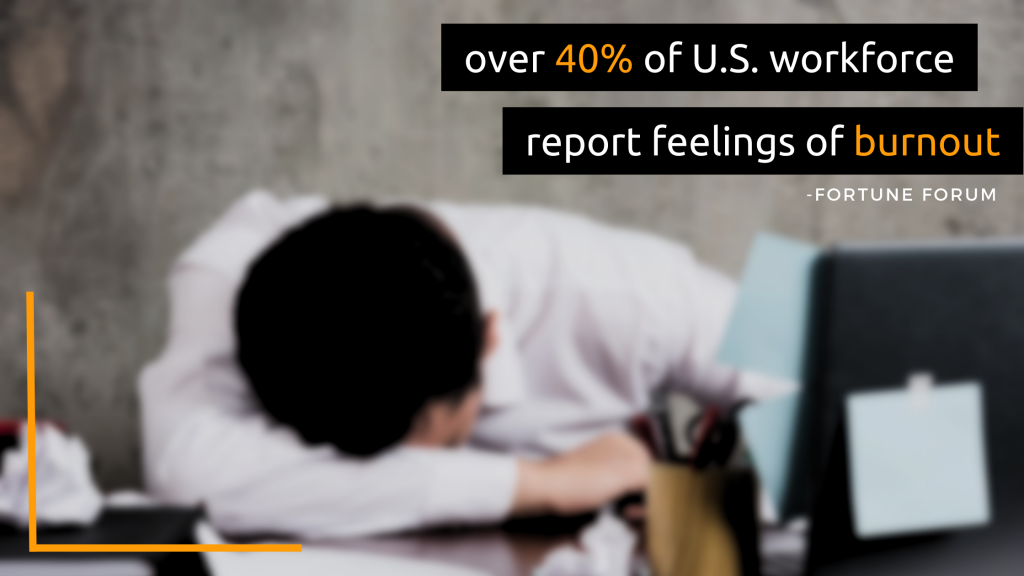
Burnout rates are at an all-time high, impacting over 40% of the U.S. workforce. Employee well-being continues to be of concern moving further into 2023.

Up in Flames

Employee burnout is at an all-time high, impacting over 40% of the U.S. workforce, according to Future Forum’s most recent poll. This far out from the thick of the pandemic, we would expect burnout to be decreasing, especially since the employee experience has become a much bigger focus for many organizations.

As companies transition back to in-person working arrangements, employees may feel their needs are being overlooked. The work from home order may have sparked new priorities for employees; 93% of employees want flexible working arrangements (Fortune Forum). When autonomy over work is threatened, frustration rises. The result- an increase in burnout.  When employee priorities clash with employer expectations, do employees give in or start quiet quitting?

Fueling the Fire

The mismatch between employees’ values and the work that they are expected to do may be propelling the fire. When our values, beliefs, self-image, behaviors, and/or actions contradict each other, a person often experiences mental discomfort. This discomfort is called “cognitive dissonance.” Our brains often go through a series of mental gymnastics to overcome this angst.  This ignites an increased likelihood of distorting judgments, reduced learning capabilities, delayed responses, and greater difficulty accepting changes.

Leadership style, discrimination, double standards, and unethical or inappropriate business practices can create tension between employee and employer. What happens when an employee is put on a project but not given the resources required to complete it? An HR professional who constantly must convince co-workers of the company’s new policies even though they’ve yet to convince themselves?

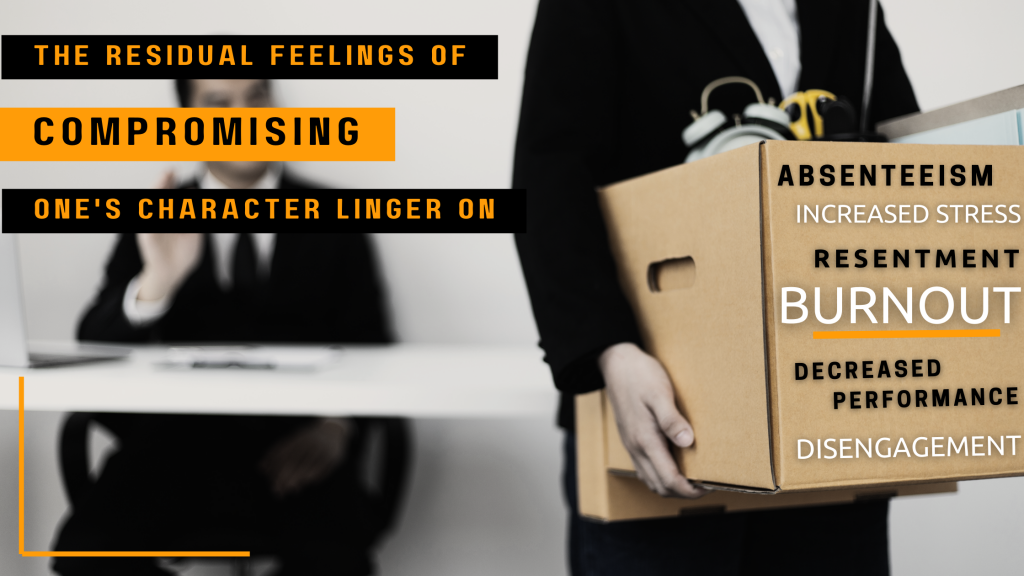
Often, when faced with these moral type dilemmas, employees succumb to the pressure and just complete the task. However, the residual feelings associated with compromising one’s character linger on. If unaddressed, cognitive dissonance can lead to increased stress, resentment, burnout, absenteeism, disengagement, and reduced performance.

Extinguishing the Flame

So how do organizations prevent burnout and combat cognitive dissonance for their employees?

More connection, less confusion. Only half of employees have a clear understanding of what is expected of them at work (Gallup). Cognitive dissonance can often be alleviated by focusing more on communication. Simply offering more information to employees or presenting it in a way that resonates with their values, can change the way information is received. How leaders frame communications to their employees significantly impacts how employees experience their work. 

In our work, we have found that when managers change how they communicate with their team, they can significantly increase levels of engagement and satisfaction.  When leaders build an open, two-way communication norm in team meetings, they promote a trusting and inclusive environment for employees to safely express their opinions. When employees feel their voice is heard, they feel more connected to the organization and more invested in their work.

If your organization is experiencing significant burnout, reach out today to see how we leverage behavioral insights when tailoring your communications, to create both narrative and graphical presentations sure to resonate with your employees and drive performance.

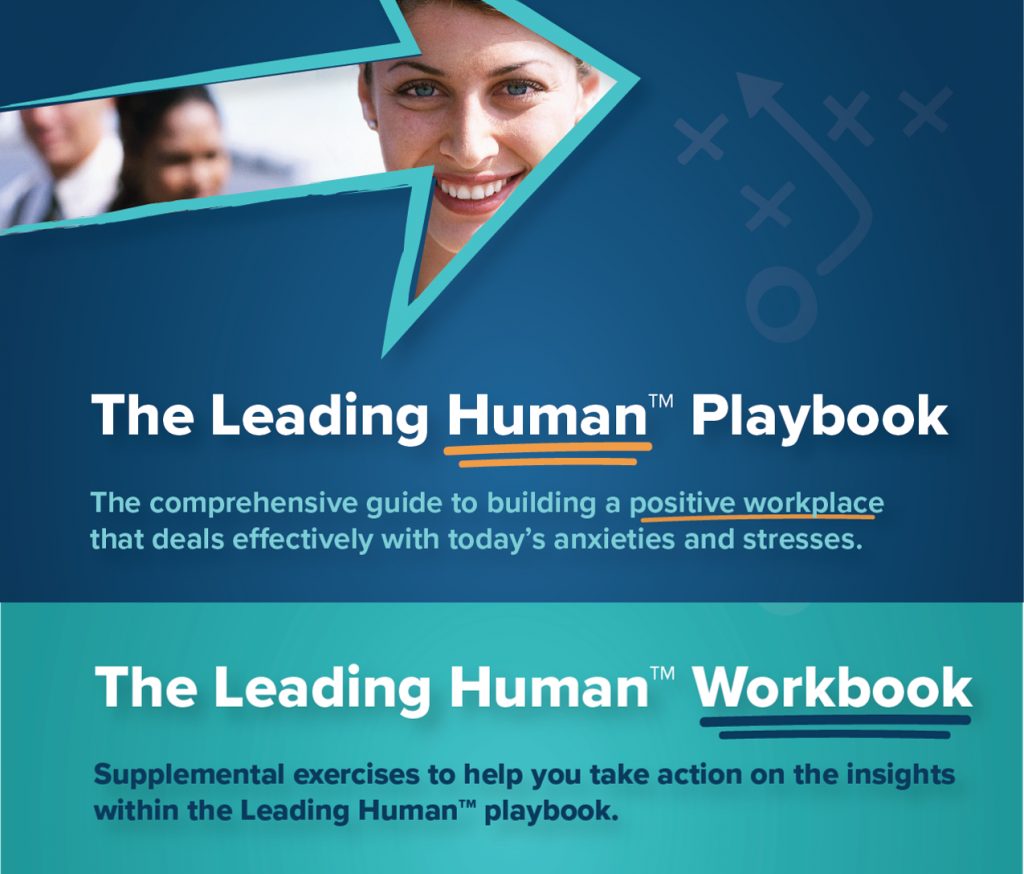
You can order your copy of Leading Human to guide you through the uncertainties and challenges faced by today’s leaders. The Leading Human Playbook is a 104-page comprehensive guide to building a positive workplace that deals effectively with today’s anxieties and stresses. The companion Leading Human Workbook takes the science-backed insights detailed within the playbook and allows today’s forward-thinking leaders and organizations to turn those insights into action.

Sources:

Future Forum Pulse Report Winter 2022-2023

Three Ways Mission-Driven Workplaces Perform Better (gallup.com)

Page 2 of 2

Powered by WordPress & Theme by Anders Norén

Behavior Matters!